
Hegel H200 Streaming Integrated Amplifier
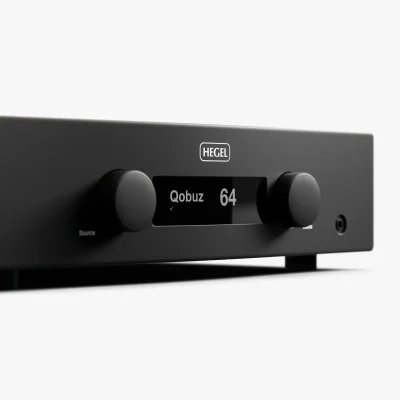
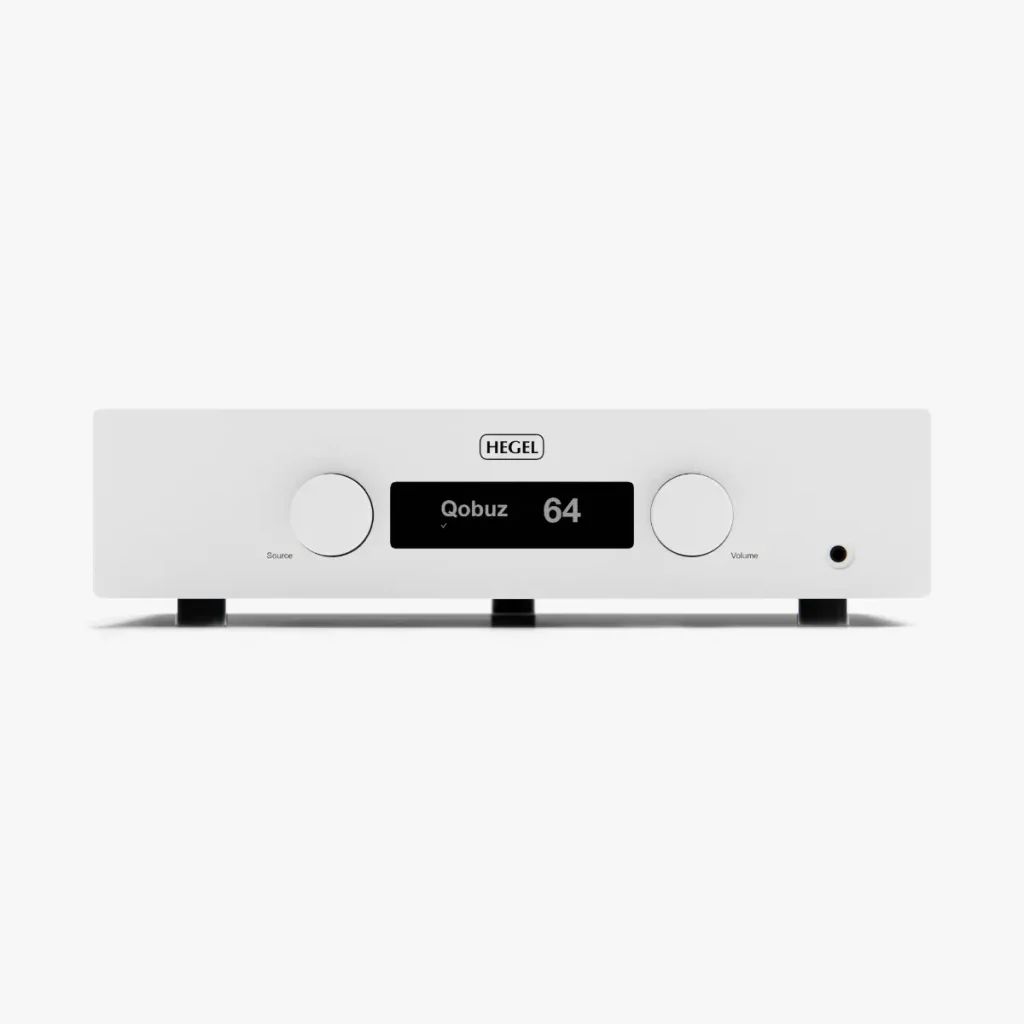
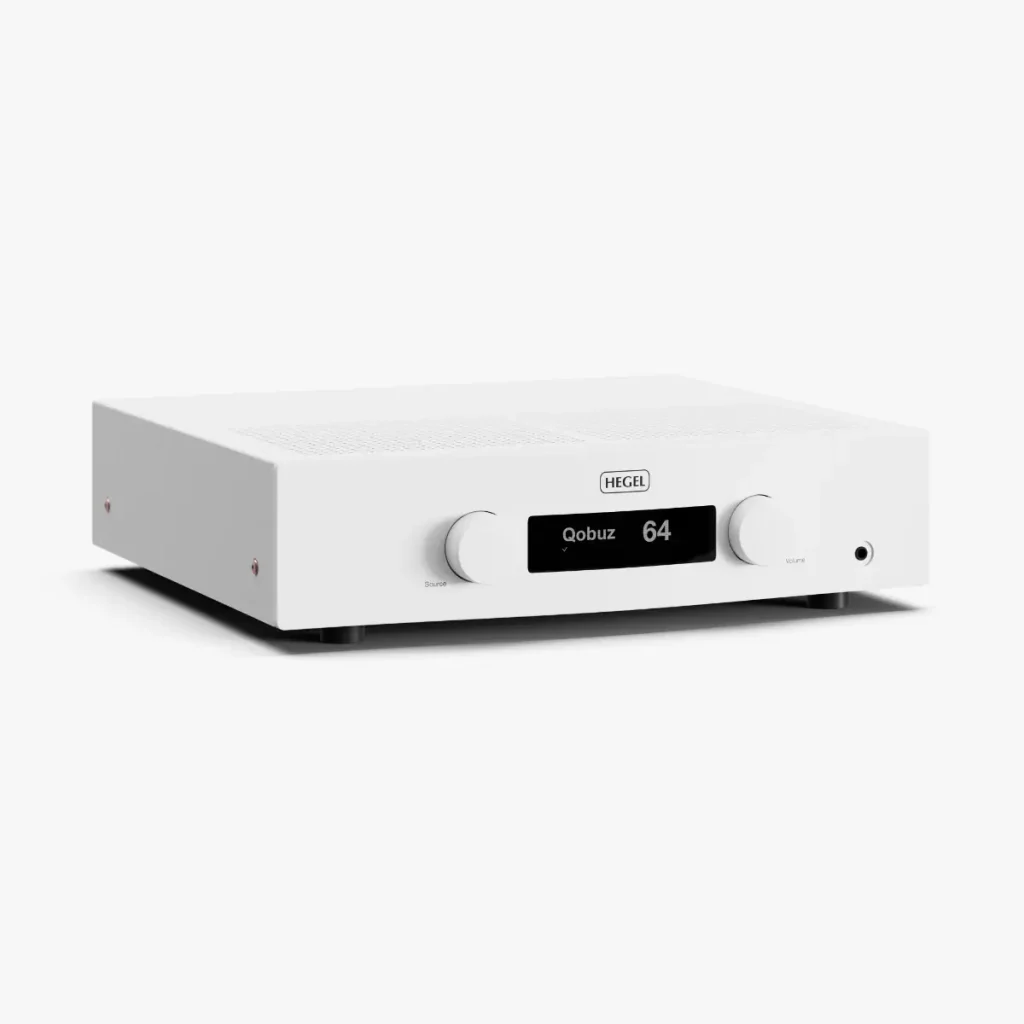
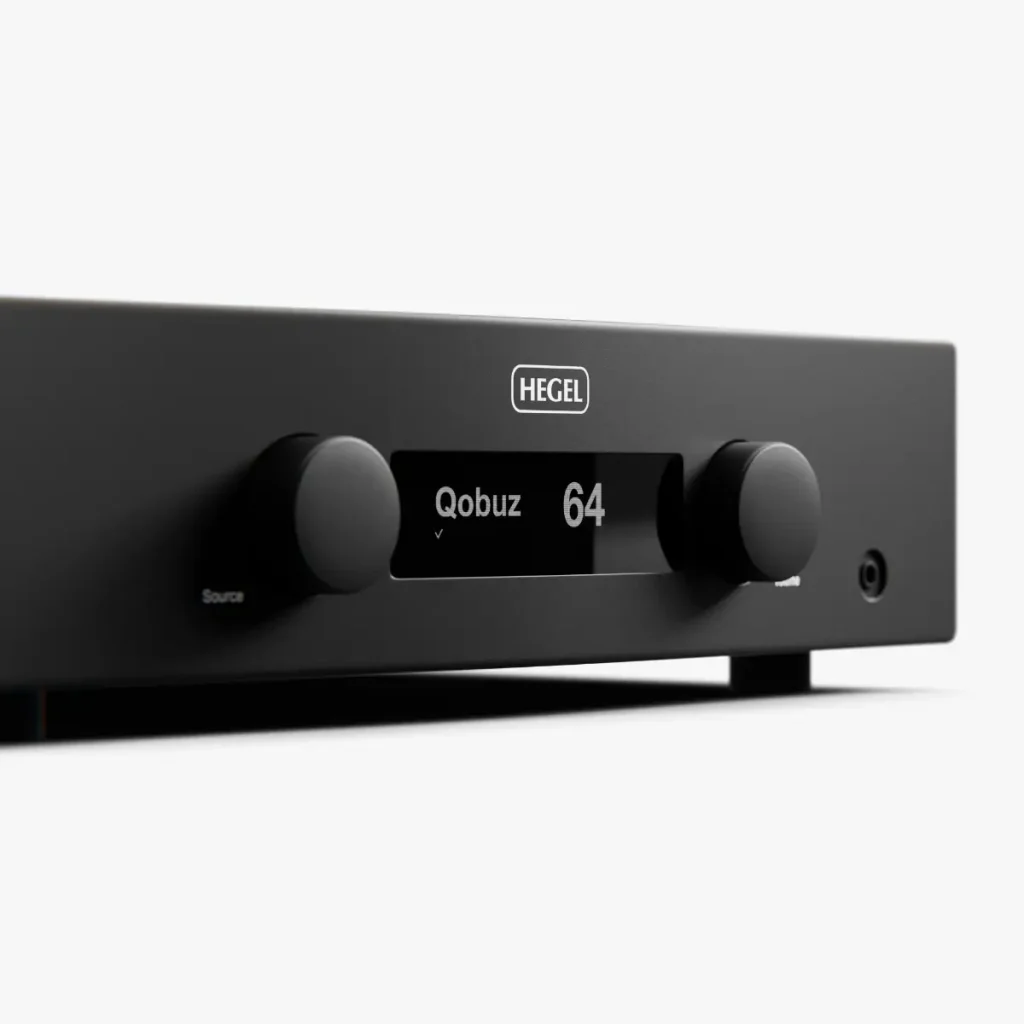
The H200 is a 150-watt streaming integrated amplifier with a built-in DAC, MM phono stage, and Hegel’s latest streaming platform. Designed to be the central hub of a high-performance system.
Usually dispatched the same day. Delivery & returns
£3,500.00
including delivery and VAT
We’re an authorised Hegel dealer. In line with Hegel’s terms, this model is available to order for collection from Stockport, by appointment. For delivery, or if you’d like to talk through your options first, call 0161 399 0993 or contact us.
We also offer part exchange and price matching.





About the Hegel H200
One amplifier, everything connected
The H200 is Hegel’s new streaming integrated amplifier, and it’s built around a simple idea: your amplifier should be the one component that ties everything else together. Streaming, DAC, phono stage, analogue inputs and 150 watts per channel, all in a single, elegant box.
The H200 is a direct replacement for the outgoing H190v, carrying the same connected, all-in-one philosophy forward with a revised amplifier platform and next-generation streamer and DAC.

What’s inside
At the core of the H200 is a 150W Class A/B amplifier stage running Hegel’s SoundEngine 2 technology. Combined with stability down to 2-ohm loads and a damping factor of over 4,000, the H200 holds difficult speaker loads with real authority – bass stays tight and controlled rather than loose or smeared, and that grip carries through into everything above it.
Streaming and DAC, done the Hegel way
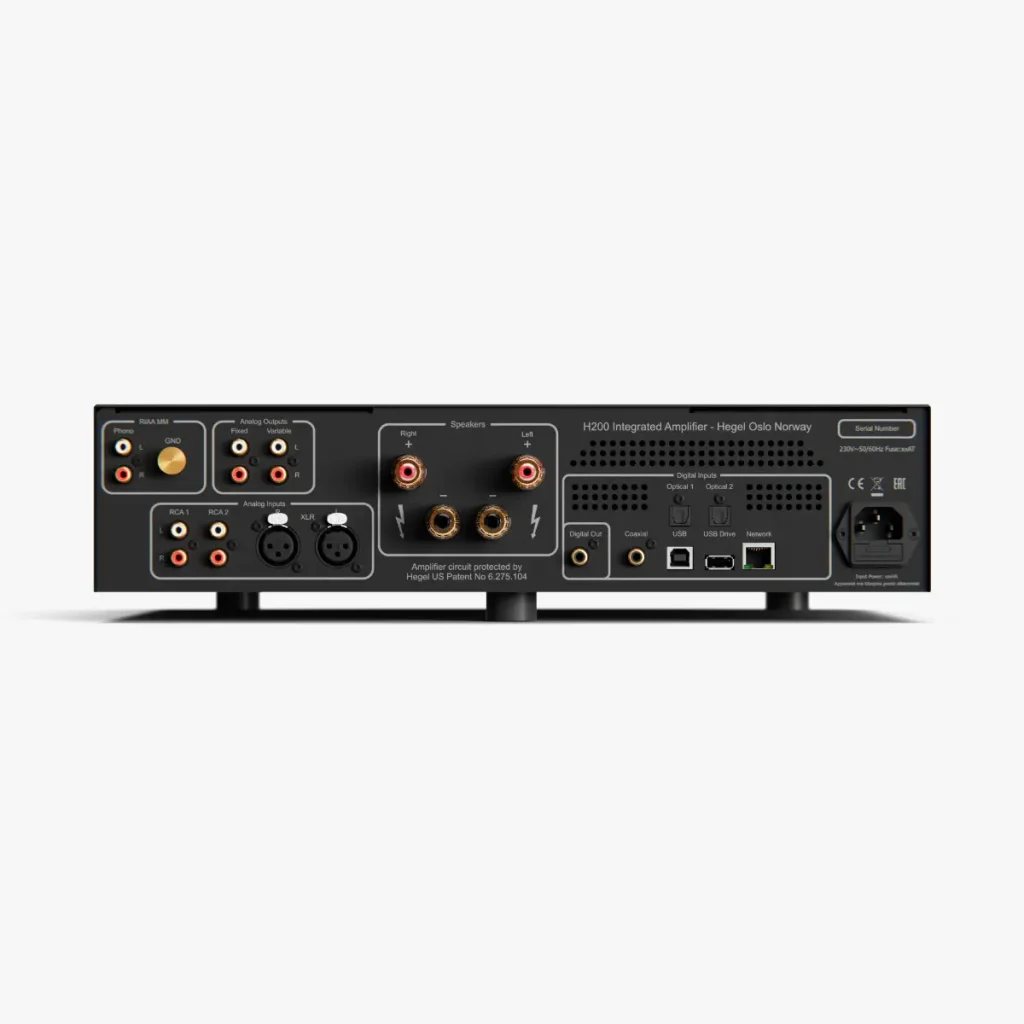
The H200’s DAC, streaming module and amplifier are all designed in-house to work as one system, rather than a streaming board bolted onto an existing amplifier. Digital inputs include coaxial, two optical, USB-B, USB-A (for direct playback from a USB drive holding up to 10,000 tracks) and network. On the streaming side you get Spotify Connect Lossless, Tidal Connect, Qobuz Connect, Apple AirPlay, Google Cast and Roon Ready, so you can use whichever apps you already have rather than being tied into a proprietary ecosystem. The free Hegel Control app adds input selection, volume control, internet radio and podcasts via airable, and UPnP library browsing.
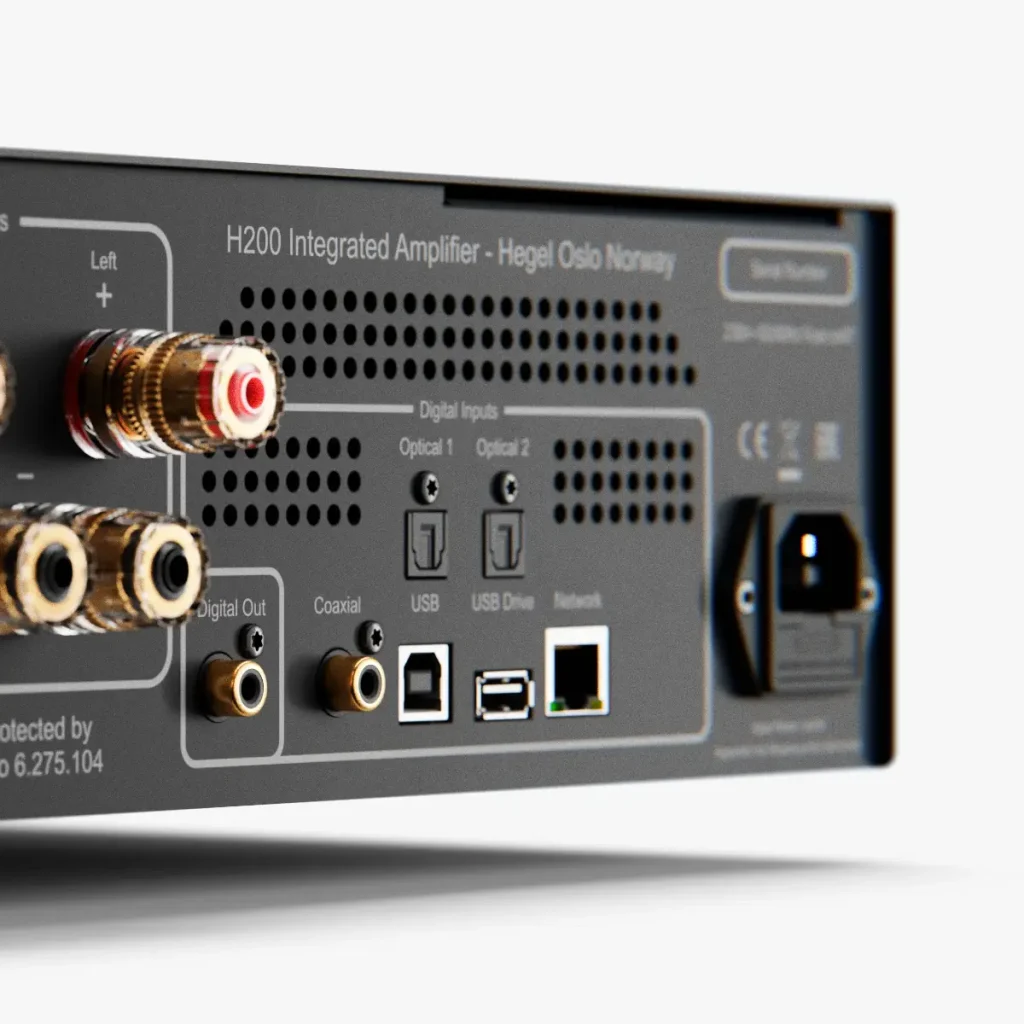
Particular attention has gone into keeping the digital and analogue sections from interfering with each other – separate circuit boards, careful grounding and signal routing for the digital stages – with the aim of a quieter background and a more natural, detailed presentation than you’d expect from an all-in-one design.
A phono stage worth using
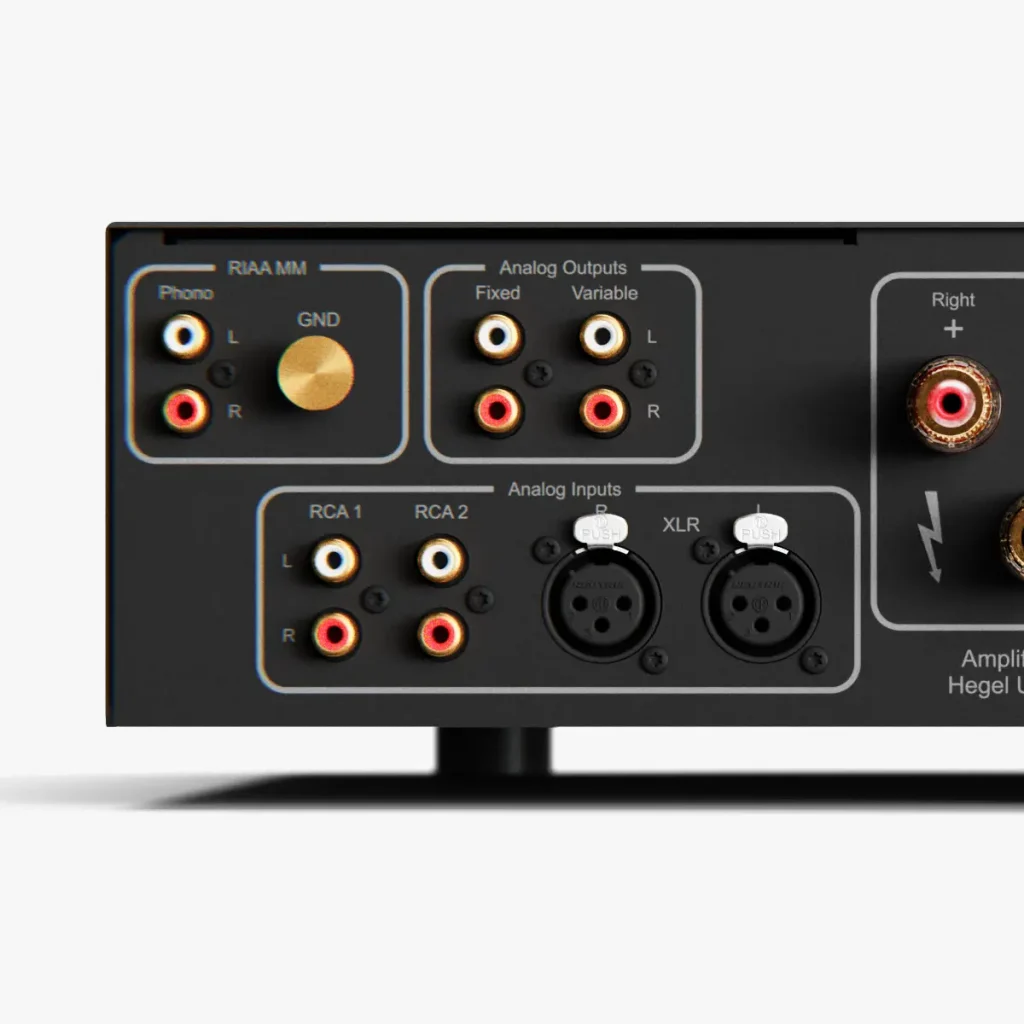
The H200 includes a dedicated MM phono input, built around the same MM circuit as Hegel’s standalone V10 phono stage – hand-matched FET gain stages and carefully selected op-amps rather than an afterthought input. If vinyl is part of your system, this is a genuinely capable starting point rather than a box-ticking exercise, and it’s an easy amplifier to live with even before you consider stepping up to the V10 for a dedicated MM/MC stage further down the line.
Analogue inputs still matter
Despite the streaming and DAC functionality, the H200 is built as a serious analogue amplifier first. A balanced XLR input and two unbalanced RCA inputs give external DACs, CD players and other sources a proper place in the system, alongside fixed and variable line outputs and a high-quality headphone output.
Everyday usability
Digital Input Sense wakes the amplifier and selects the correct input automatically. It can also learn volume commands from a TV remote, works with Control4, Crestron Home and Crestron SIMPL for smart home integration, and offers per-input fixed volume levels for home cinema setups. A coaxial digital output with DAC Loop means you can add an external DAC further down the line without replacing the H200 – it stays as your central hub for source selection, streaming and volume control.
Features
Power & amplification
150W per channel into 8 ohms
Class A/B amplifier stage with headroom for demanding speakers.
2-ohm stability
Stays composed into difficult, low-impedance speaker loads.
Damping factor >4,000
Tight control over bass drivers for precise, well-defined low end.
SoundEngine 2
Detects distortion at the point it occurs and cancels it before it reaches the rest of the signal path.
Streaming
Spotify Connect, Tidal Connect & Qobuz Connect
Play music directly from the apps you already use.
Roon Ready
Certified Roon Ready for easy and reliable connection to your Roon server.
Apple AirPlay & Google Cast
Works from every phone or tablet in the house. No setup needed.
Hegel Control app
Volume, inputs, internet radio, podcasts and UPnP media server playback from the free Hegel Control app.
Sources
Built-in DAC
Coaxial, optical, USB-B, USB-A and network digital inputs, all designed in-house alongside the amplifier.
USB-A playback
Direct playback from a USB drive holding up to 10,000 songs.
Dedicated MM phono input
Based on the MM section of Hegel’s own V10 phono stage.
Balanced XLR and unbalanced RCA inputs
A proper home for external DACs, CD players and other analogue sources.
Outputs & Usability
Fixed and variable line outputs
For recording or feeding a subwoofer/second system.
High-quality headphone output
Private listening without leaving the main system.
Digital Input Sense
Wakes the amplifier and selects the correct input automatically.
Learning remote volume control
Works with an existing TV remote regardless of input.
Control4, Crestron Home & Crestron SIMPL
Smart home integration for advanced setups.
Coaxial digital output with DAC Loop
Add an external DAC later without replacing the amplifier.
Specifications
| Power output | 2 x 150W into 8Ω @ 1kHz, 1% THD |
| Minimum load | 2 ohms |
| Analogue inputs | 1 x Balanced (XLR), 2 x Unbalanced (RCA) |
| Phono input | 1 x Unbalanced (RCA), Moving Magnet |
| Digital inputs | 1 x Coaxial, 2 x Optical, 1 x USB-B, 1 x USB-A, 1 x Network |
| Digital output | 1 x Coaxial S/PDIF |
| Line outputs | 1 x Variable (RCA), 1 x Fixed (RCA) |
| Streaming | Spotify Connect (Lossless), Tidal Connect, Qobuz Connect, AirPlay, Google Cast, Roon Ready, airable, UPnP |
| Streaming formats | MP3, WAV, FLAC, ALAC, AIFF, AAC, PCM, Ogg |
| Frequency response | 5Hz–100kHz |
| Signal-to-noise ratio | >100dB |
| Distortion | <0.01% @ 50W, 8Ω, 1kHz |
| Damping factor | >4,000 |
| Dimensions (W×D×H) | 43 x 41 x 12cm |
| Weight | 13.6kg |
| Finish | Black / White |
Watch Hegel’s introduction to the H200
Not sure whether the H200 is right for you? Hegel talks through the H200 and its upcoming analogue-only A200 integrated amplifier in this short overview.